
A smear of butter across a worktop. A greasy hob. A bathroom mirror speckled with toothpaste. Grab a paper towel and you push most of it around, then throw the towel away. Grab a microfibre cloth and the film lifts off, often with nothing but water. That difference is not marketing. It comes down to the shape of the fibres.
How microfibre actually traps dirt
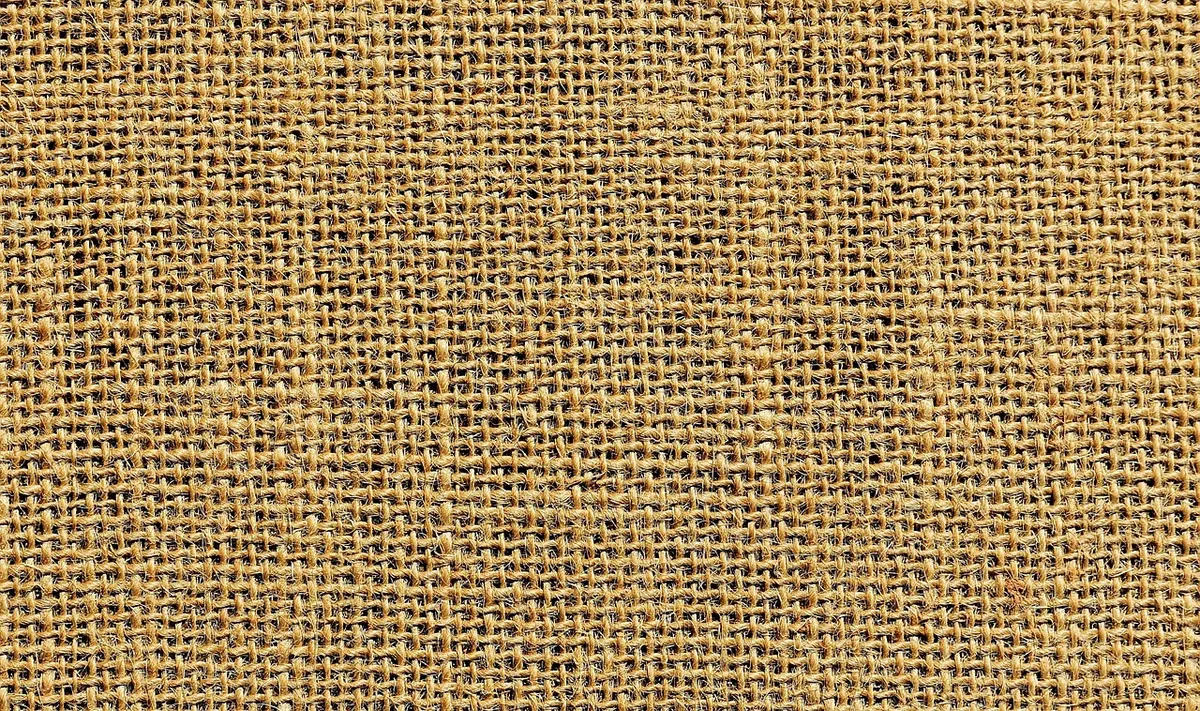
Microfibre is usually a blend: polyester for strength, polyamide for softness and water absorption. During manufacture the fibres are split into wedges a fraction of the width of a human hair, which multiplies the surface area enormously. A cloth that feels flat is, up close, a dense thicket of tiny hooks.
Three things happen at once when you wipe:
- Mechanical grab. The split fibres wedge into the microscopic pits and ridges of a surface — the grain of a worktop, the brushed finish of a tap — and scrape out what is sitting there.
- Capillary action. The gaps between the fibres pull in liquid and hold it, so grease and grime stay in the cloth instead of being smeared across the next 30cm.
- Static attraction. Used dry, microfibre picks up dust, hair and pet fur much as a balloon picks up paper.
Because it does all three, one cloth can do the job of a spray, a sponge and a second wipe-down. That is why a damp cloth followed by a dry one cleans a window without streaks, and why a single cloth deals with a dusty skirting board faster than a feather duster that simply lifts the dust into the air.
What that means for bacteria
Here is where it pays to be precise. Microfibre removes bacteria; it does not kill them. The fibres trap bacteria along with the dirt and hold them until you wash the cloth, which is genuinely useful in a kitchen or bathroom. But lifting and killing are different jobs.
If you need disinfection — after handling raw meat, in a bathroom where someone has been ill, around a changing mat — use a suitable cleaning product exactly as the label directs, and give it the contact time it asks for. Microfibre is an excellent removal tool and a poor substitute for disinfectant. If someone in the household has a weakened immune system, follow the cleaning advice their care team has given.
Where paper towels still win
None of this means binning paper towels altogether. They earn their place on the genuinely unpleasant jobs: raw meat juices, pet accidents, vomit, the inside of a toilet bowl, wiping paint brushes, and anything you would rather not carry to the washing machine. Using a cloth on those jobs creates more work and more chance of spreading contamination through your laundry. Keep both, and pick deliberately.
When to wash them
A microfibre cloth stops working well long before it looks dirty. Grease clogs the gaps between fibres, and a cloth that has dried with embedded grime will smear rather than clean. As a general rule:
- Kitchen cloths: after each day of cooking, or sooner if they have touched raw meat.
- Bathroom cloths: after every clean.
- Glass and dusting cloths: weekly, or as soon as they leave streaks. Wash weekly if anyone in the house has allergies.
- Floor cloths and mop heads: after each use, especially after muddy footprints or pet accidents.
Washing them without ruining them
- Rinse under warm water first. Grit and grease left in the weave will be dragged across the next surface you clean.
- Wash microfibre together, separately from cotton towels and bedding that shed lint — lint clings to these fibres.
- Use ordinary detergent. Skip fabric softener and dryer sheets entirely, because they coat the fibres and block the very gaps that do the work. Skip bleach too, which degrades polyamide and shortens the cloth's life.
- Wash general cloths at 40°C, and kitchen, bathroom and illness-related cloths at 60°C if the label allows.
- Tumble dry on low or air dry. High heat can warp or melt the fibres.
- Keep them away from velcro, zips and exposed hooks, which snag the loops.
A mesh laundry bag keeps them together and stops them vanishing into the back of the machine.
Surfaces they should never touch
Microfibre is tough on grime but not indestructible, and a few surfaces react badly to it.
- Hot hobs, irons and oven interiors. These fibres are plastic. Touch one to a hot surface and it can melt, fusing a shiny film onto your hob or soleplate.
- Raw meat juices and bodily fluids. Use paper towel, then disinfect. Do not send a cloth through your laundry basket with that on it.
- Inside toilet bowls. Keep one cloth for that job and never let it near a kitchen. Better still, use something disposable on the bowl itself.
- Suede, nubuck, brushed leather, velvet and silk. The fibres grip the nap and pull at it, and you will be picking lint off for a week.
- Untreated or oiled wood. A damp cloth can raise the grain, leave water marks and lift wax from a waxed finish. Dust dry and lightly, and test a hidden patch first.
- Glossy surfaces covered in grit. Sweep, vacuum or rinse first. Dragging embedded sand across a car bonnet or laminate floor leaves fine scratches you will notice later.
On screens and coated glass, microfibre is actually the right choice — but only a clean one, barely damp, with light pressure. A cloth that has been used with an abrasive cream or bleach is not a screen cloth.
A simple routine that sticks
Colour-code and stop thinking about it. Blue for the kitchen, yellow for the bathroom, green for dusting and general surfaces, and a spare pink or grey for glass. Buy two or three per zone so there is always a clean one in the drawer while the others are in the wash, and hang used cloths somewhere they can dry rather than leaving them in a damp heap.
One cloth per task, one wash per day of kitchen use, and paper towels only for the jobs you would not want to launder. Do that and a modest stack of cloths will out-clean and outlast a cupboard full of paper — and you will notice it most on glass, stainless steel and anything greasy.
Photo: Alexas_Fotos / Pixabay